Receiving Inspection: 8 Checks That Prevent 80% of Problems
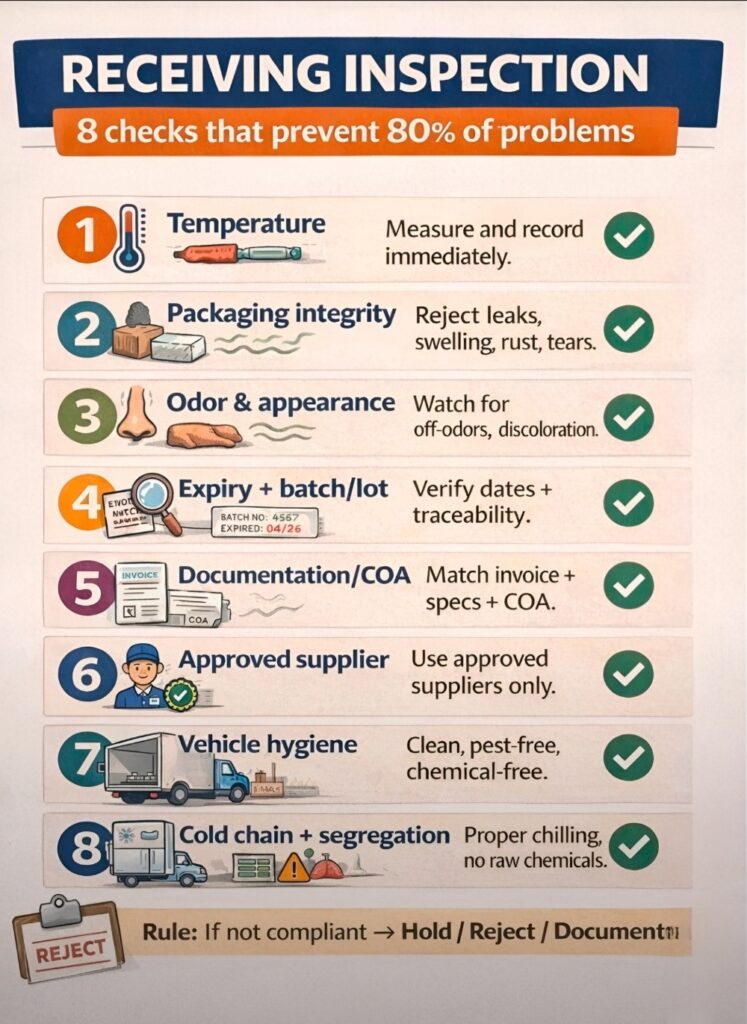
In a busy kitchen or restaurant the delivery truck shows up and suddenly you have a pile of boxes meat cases dairy and produce hitting the dock. One lazy receiving moment and you just invited bacteria spoiled product or a recall straight into your walk-in. That is why smart operators treat receiving like a non-negotiable gatekeeper. This straightforward infographic lays out eight critical checks that catch the majority of issues before they ever reach your line. Do these right and you stop most headaches cold.
Here is the raw truth. Most food safety problems start long before the food hits the plate. They start at delivery. Temperature abuse damaged packaging sketchy suppliers or missing paperwork let bad stuff slip through and then it is your problem. These eight checks are simple practical and they work. Skip them and you roll the dice with customer health your reputation and health department citations.
1. Temperature
Grab a calibrated thermometer and check it immediately. Refrigerated items need to be at 41°F or below. Frozen should be solid at 0°F or lower. If it is warm you reject it on the spot. Warm food sits in the danger zone and bacteria love that. Measure and record every time no exceptions. This one check alone stops a ton of spoilage and foodborne illness risks.
2. Packaging Integrity
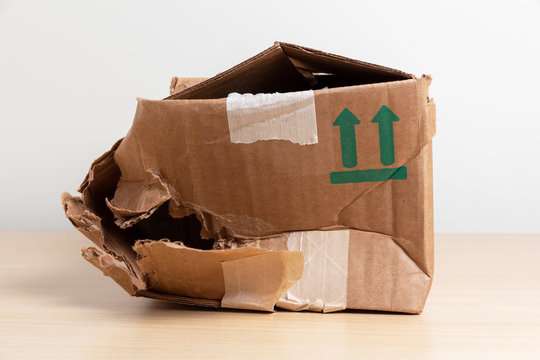
Look at every box bag and case. Reject anything with leaks swelling rust tears dents or wet spots. Compromised packaging means the product may have been exposed to air contaminants or temperature swings. A leaking meat case can cross-contaminate everything around it. If the seal is broken or the box is crushed send it back.
3. Odor and Appearance
Use your senses. Sniff for off-odors sour ammonia or anything that smells wrong. Check color texture and overall look. Discolored meat slimy produce or weird spots mean trouble. Fresh food should look and smell fresh. If it does not it does not come in the door.
4. Expiry and Batch/Lot Numbers
Verify use-by best-by and expiration dates. Make sure there is plenty of shelf life left for your service needs. Record batch or lot numbers for traceability. In a recall situation you need to know exactly what came in when. Expired or short-dated product gets rejected immediately.
5. Documentation and COA
Match the invoice to your purchase order. Check that the Certificate of Analysis or spec sheets match what you ordered. For certain items like seafood or specialty products the COA proves it meets safety standards. No paperwork or mismatched docs means hold the delivery until it is sorted.
6. Approved Supplier Only
Never accept product from an unapproved supplier. Stick to your vetted list. Approved suppliers have been checked for safety practices and reliability. Random trucks showing up with random food is how problems sneak in. Know your sources and enforce it.
7. Vehicle Hygiene
Inspect the delivery truck. It should be clean organized pest-free and free of chemical smells or spills. Look for signs of pests dirt or cross-contamination. A dirty truck interior can transfer issues straight to your product. If the vehicle looks sketchy document it and consider rejecting the load.
8. Cold Chain and Segregation
Confirm the cold chain stayed intact during transport. Check that raw meats poultry and ready-to-eat items were properly segregated so nothing leaked or dripped. No raw products mixed with chemicals or ready-to-eat foods. Proper chilling and separation prevent cross-contamination that could make people sick.
At the bottom the rule is clear. If anything fails these checks hold it reject it and document everything. Take photos write notes notify the supplier and log the incident. Good records protect you when questions come up later.
Why does this matter so much? Because catching problems at receiving prevents them from ever reaching your customers. One bad batch of chicken or dairy can shut down service cause illness or trigger a recall. These eight checks are not busywork they are your first and best defense. They keep your kitchen safe your team protected and your business running without drama.
Print this infographic and post it right by the receiving door. Train every person who ever signs for deliveries to follow these steps every single time. Make it part of your daily routine. Use a simple checklist log and review it in team meetings.
In the restaurant world shortcuts feel tempting when you are slammed but they are never worth the risk. A few extra minutes on receiving saves hours of headaches later. It protects the food you serve the people who eat it and the reputation you worked hard to build.
Do these eight checks consistently and you will cut out most of the preventable problems that hit kitchens. Temperature packaging odor dates paperwork suppliers vehicle condition and cold chain segregation cover the basics that matter. Get them right and the rest of service flows a lot smoother.
Stay vigilant. Train your team. Document everything. Respect the process and it will respect you back by keeping bad product out and good operations in.
This simple system works in any size operation from small cafes to busy restaurants. Make receiving inspection a habit not an afterthought and you will see the difference in quality safety and peace of mind.
Join us on Discord for recipe dumps and Industry banter.