
Deglazing Explained A Simple Kitchen Technique for Big Flavor
Deglazing Explained A Simple Kitchen Technique for Big Flavor
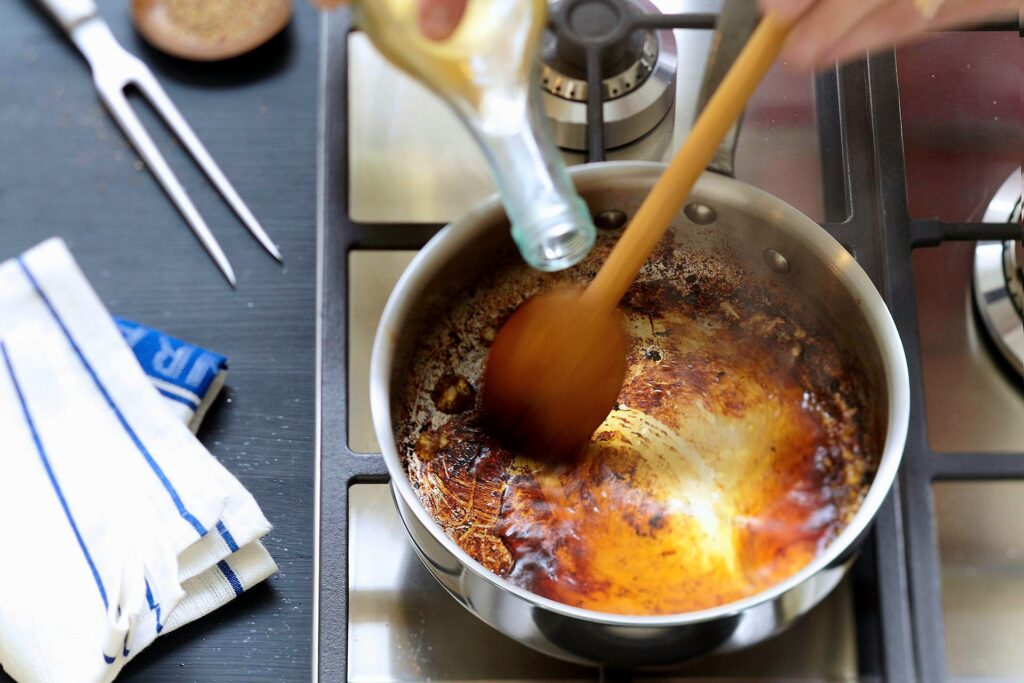
Deglazing is a classic cooking method used by professional chefs and home cooks alike to create rich flavorful sauces from the browned bits left in a pan after searing or roasting meat vegetables or other ingredients. Those caramelized bits stuck to the bottom of the pan are called fond and they contain concentrated flavor that would otherwise be wasted.
How deglazing works
After cooking protein or vegetables in a hot pan you remove the food and pour a liquid into the still hot pan. The liquid loosens the fond so you can scrape it up with a wooden spoon or spatula and dissolve it into the liquid. This creates a quick pan sauce or base for gravy stock or reduction that captures all the delicious browned flavors from the fond.
Common liquids used for deglazing
Wine is one of the most popular choices especially dry white or red wine depending on the dish. The alcohol helps lift the fond while adding acidity and depth.
Broth or stock chicken beef or vegetable works well for a milder sauce.
Vermouth or sherry adds a nice aromatic touch as seen in many restaurant lobster or seafood sauces.
Vinegar lemon juice or even water can be used in a pinch though they provide less complexity.
Beer cider or fruit juices can create interesting flavor profiles for specific recipes.
Step by step how to deglaze a pan
1. Cook your meat vegetables or other ingredients in a heavy bottomed pan over medium to high heat until nicely browned creating good fond on the bottom. Do not overcrowd the pan so you get proper fond development.
2. Remove the cooked food from the pan and set it aside. Leave any fat or drippings in the pan.
3. Pour in your chosen liquid about 1/2 to 1 cup depending on pan size and number of servings. It should sizzle immediately.
4. Use a wooden spoon or spatula to scrape the bottom of the pan vigorously while the liquid is bubbling. This lifts all the fond into the sauce.
5. Bring the mixture to a simmer and reduce it slightly if you want a thicker sauce. You can add butter herbs garlic shallots or spices at this stage for extra flavor.
6. Taste and adjust seasoning with salt and pepper. The sauce is now ready to pour over your protein or use as a base for further cooking.
Why deglazing matters in restaurant cooking
Deglazing turns what looks like burnt residue into a professional tasting sauce with almost no extra effort or cost. It is a key technique in French and modern restaurant kitchens for making pan sauces reductions and gravies. It adds depth complexity and moisture to dishes while preventing waste by using every bit of the fond. Many signature sauces start with a good deglaze of the fond.
Tips for successful deglazing
Use a stainless steel or uncoated pan for the best fond development. Nonstick pans do not create as much fond.
Make sure the pan is hot when you add the liquid so it deglazes properly.
Avoid adding too much liquid at once or the sauce may become thin.
If you are using wine let the alcohol cook off for a minute or two to mellow the flavor.
Deglaze after searing scallops steak chicken pork or even roasted vegetables for impressive results.
Examples of dishes that use deglazing
Pan seared steak with red wine sauce
Chicken with white wine and herbs
Seafood like scallops or lobster finished with vermouth or stock
Pork chops with apple cider or brandy
Vegetable sauces from roasted mushrooms or onions
Deglazing is one of those simple professional techniques that instantly elevates home cooking. Once you try it you will start reaching for the wine bottle or stock every time you finish searing something in the pan and creating that valuable fond.
Have you used deglazing in your recipes What liquid do you prefer and what dishes have turned out best Share your experiences tips or questions in the comments. We can discuss variations or pair it with some of the appetizer and sauce recipes already posted on Cooks Corner.
The Cooks Corner Team