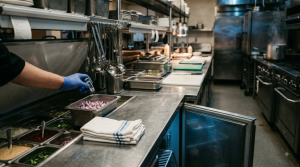

A chef seasoning food the right way — sprinkling from high above for even coverage and better flavor in every bite.
Why We Season Food
Ever ask yourself why we season food? Look, plain food is… okay. But seasoned food? That’s when dinner actually gets exciting.
If you’ve ever eaten something that tasted flat, bland, or just “meh,” there’s a good chance it needed better seasoning. Seasoning food isn’t some fancy chef trick; it’s basic kitchen magic that makes everything taste brighter, deeper, and way more satisfying.
Here’s the straight talk on why we season, how to do it, when to do it, and why it actually works.
1. Seasoning Enhances Natural Flavors (It Doesn’t Just Add New Ones)
Salt is the superstar here. It doesn’t just make things salty; it wakes up the other tastes in your food. A little salt can make sweet things taste sweeter, cut through bitterness, and bring out the savory “umami” that makes meat, veggies, and broths taste rich and full.
Pepper (especially freshly ground) adds a tiny bit of heat and aroma that makes your taste buds pay more attention. Other spices and herbs do the same thing in their own way; they layer flavor so every bite has more going on.
Bottom line: Without seasoning, food tastes like it’s hiding. With it, the real flavor comes out.
2. It Balances the Dish
Good seasoning keeps things from tasting too sweet, too sour, too rich, or too flat. Think of it like turning the knobs on a stereo; salt, acid (like lemon or vinegar), heat, and herbs all work together to make the whole song sound right.
Too much salt and it’s gross. Too little and it’s boring. The goal is balance.
3. Seasoning Builds Depth and Complexity
When you add seasonings at different stages, flavors develop and mingle. Early seasoning gets into the ingredients. Later additions give bright pops of taste right at the end.
That’s why restaurant food often tastes better; they season in layers, not just a sprinkle at the table.
4. It Makes Food More Enjoyable (and You’ll Eat Better)
Plain boiled chicken or unseasoned veggies? Most people push them around the plate. Seasoned versions? They disappear fast. Seasoning turns “healthy” or “basic” meals into something you actually crave.
Simple Tips: How and When to Season Your Food
Taste as you go: This is the golden rule. Grab a spoon, taste, and adjust. Your tongue is the best judge, not a recipe.
Season in layers: Add a bit early (like when sautéing onions or browning meat) so it soaks in. Add more toward the end to brighten everything up.
Salt early for big pots: In soups, stews, or slow-cooked dishes, get some salt in at the beginning so it spreads evenly.
Salt later for quick cooks: For steaks, veggies, or eggs, season right before or after cooking so it sits on the surface where you taste it most.
Use good tools: Freshly ground pepper and kosher or sea salt (not table salt) make a huge difference. Coarse salt gives better control.
Don’t forget acid: A squeeze of lemon or splash of vinegar at the end can make a dish pop when it still tastes a little flat.
Start light: You can always add more, but you can’t take it out. Under-seasoning is fixable. Over-salting is a pain.
Pro move: When cooking meat, salt it ahead of time if you can (even 30–60 minutes before). It helps draw out moisture and then re-absorb it with flavor.

Season from High Above; Why Chefs Do It and Why It Works
Here’s a simple trick that makes a surprising difference: sprinkle your salt, pepper, or spices from high above the food (about 12 inches or so, roughly head height or arm’s length).
Why bother? When you season too close (right over the pan or plate), the salt or spices fall straight down in one spot and clump up. You end up with some bites that are way too salty and others that taste like nothing. It’s patchy and uneven.
When you hold your hand higher, the seasoning has time and distance to spread out as it falls; like a light rain instead of a dump. It covers a bigger area evenly, so every bite gets balanced flavor without hot spots.
Bonus: You don’t have to stir as much afterward, which is great for delicate foods or when you don’t want to break things up. It’s not just for show on cooking shows — it actually helps your food taste better and more consistent.
Try it next time you’re finishing a dish. Pinch the salt, raise your arm, and let it rain down while moving your hand slowly. You’ll notice the difference right away.
Common Mistakes to Avoid
Waiting until the very end to season everything.
Using the same amount of salt for every recipe without tasting.
Forgetting that different salts have different strengths (a teaspoon of table salt is saltier than a teaspoon of kosher salt).
Adding delicate herbs too early; they lose flavor with long cooking. Save fresh herbs for the finish.
You’re making a simple weeknight stir-fry.
Heat your pan, add oil, then toss in chopped onions and garlic. Sprinkle a pinch of salt right away so they sweat and release their sweetness.
When the veggies start softening, throw in sliced chicken or beef and season it with salt and black pepper while it’s browning; this gets flavor deep into the meat.
At the very end, taste the whole thing. Add a splash of soy sauce or a squeeze of lemon to brighten it up, plus a handful of fresh herbs if you have them.
Result? Everything tastes balanced and alive instead of flat and boring. One small habit, seasoning in layers as you go, turns basic ingredients into a meal people actually want seconds of.
Seasoning food isn’t complicated. It’s just paying attention and giving your ingredients a little help to taste their best.

Next time you cook, grab the salt and pepper early, taste often, and watch how much better everything turns out. Your taste buds (and anyone eating with you) will thank you.
If you’re in the industry or just a home cook be sure sign up and share your experiences at Cook Corner.