
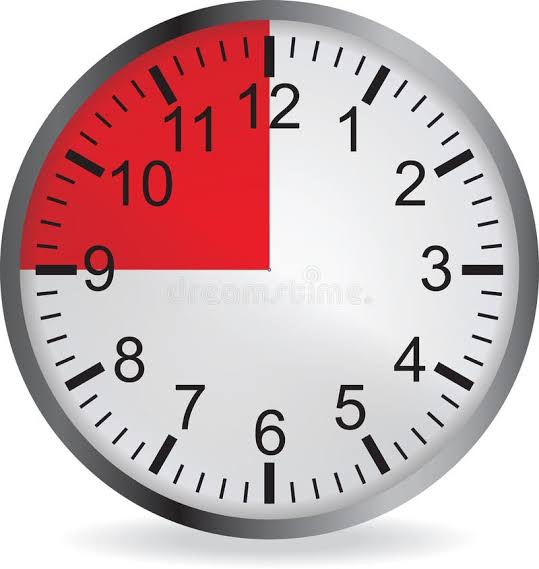
The Real Meaning of “On Time” in the Restaurant World
In the restaurant industry, showing up “on time” is actually being late. The clock doesn’t care about traffic, parking problems, or the last-minute prep you tried to squeeze in at home. When a server arrives at exactly six o’clock for a six o’clock shift, they often walk straight into chaos: tables still turning over, the kitchen already slammed with early orders, and guests beginning to wait. That supposed five-minute buffer disappears the moment you punch in, leaving you immediately behind and playing catch-up for the rest of the night.
True punctuality in this business means arriving fifteen minutes early. That buffer is the difference between starting your shift calm and composed versus rushing in stressed and disorganized. Those extra minutes give you time to breathe, check the floor plan, grab your apron, review the reservations, speak briefly with the host, and even sip a coffee without feeling hurried. You can mentally prepare for the night ahead instead of scrambling while the host juggles unexpected walk-ins or the kitchen fights to stay ahead.
Arriving early allows you to move with purpose and confidence. You look calm and in control, which sets a positive tone for the entire team. Your smooth, unhurried movements help the whole front-of-house operation flow more efficiently, reducing stress for everyone around you.
Punctuality is far more than just following the schedule on paper — it is fundamentally an act of respect. It shows respect for the line cooks who have been sweating since before opening, already exhausted and working at full speed. It honors the bussers and support staff who hustle tirelessly, often without much recognition. Most importantly, it demonstrates respect for the guests who expect a seamless, professional dining experience from the moment they walk through the door.
In the high-pressure world of restaurants, fifteen minutes early is not extra effort — it is the bare minimum required to stay ahead of the game. Anything less, and you are already behind, forcing yourself and your team to play defense for the entire shift. Chronic lateness creates unnecessary tension, slows service, and chips away at team morale.
Developing the habit of arriving early is one of the simplest yet most powerful ways to elevate your performance and reputation in this industry. It signals reliability, professionalism, and a genuine commitment to the success of every service. In a world where every second counts, those fifteen minutes are your edge.

3 thoughts on “15 Minutes Early: The Only Way to Be ‘On Time’ in Restaurants”