
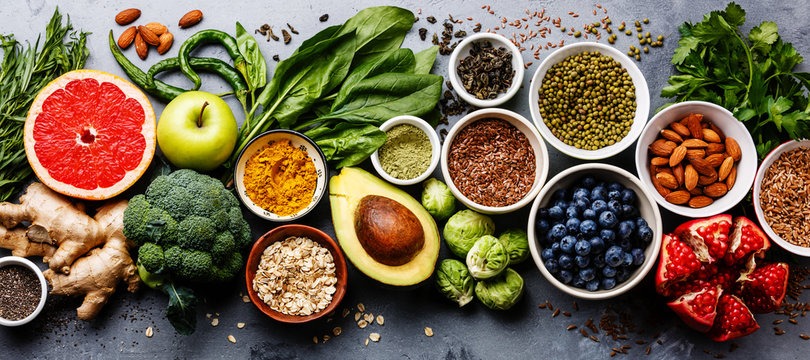
If you’re looking to genuinely clean up your diet, reduce brain fog, and feel sharper and more energized, the food you eat every day plays a far bigger role than most people realize. What follows is straightforward, evidence-based information on how diet influences mental clarity followed by practical guidance on incorporating more organic options where it matters most.
Diet is one of the most powerful tools for clearing brain fog and improving mental clarity. At its core, what you eat directly controls levels of chronic inflammation, including neuroinflammation; the low-grade swelling in the brain that disrupts neuron function, reduces blood flow, and impairs clear signaling between brain cells.
Pro-inflammatory foods such as added sugars, heavily processed items, and fried foods are particularly damaging. They promote gut-brain axis disruption, increase oxidative stress, and create a cascade of effects that leave you feeling mentally sluggish, forgetful, and unfocused. Over time, this constant low-level inflammation can make even simple tasks feel exhausting.
On the other hand, adopting an anti-inflammatory diet can produce noticeable improvements, often within just a few weeks. Focus on foods rich in omega-3 fatty acids (found in fatty fish like salmon and sardines), antioxidant-packed berries (blueberries, strawberries, and blackberries), leafy green vegetables (spinach, kale, and collards), extra-virgin olive oil, nuts (especially walnuts), and seeds. These foods help lower inflammatory markers in the body, support a healthy gut microbiome, improve insulin sensitivity, and enhance vascular health that delivers oxygen and nutrients to the brain more efficiently. The result? Sharper focus, better mood stability, and that welcome lift in mental clarity many people report after making consistent changes.
From an anti-aging perspective, the benefits go even deeper. A nutrient-dense, anti-inflammatory eating pattern can help slow brain shrinkage by preserving gray matter volume—the brain tissue essential for memory, learning, and decision-making. It reduces oxidative damage to brain cells and supports neuroplasticity, the brain’s ability to form new connections. Research suggests these dietary habits may effectively delay aspects of brain aging by two or more years and contribute to a lower long-term risk of cognitive decline and dementia.
One of the most effective and well-studied patterns for brain health is the MIND diet (Mediterranean-DASH Intervention for Neurodegenerative Delay). This hybrid approach combines the best elements of the traditional Mediterranean diet and the DASH diet (designed to lower blood pressure). It emphasizes daily or near-daily servings of leafy greens, berries, nuts, whole grains, olive oil as the primary fat, and fatty fish, while strictly limiting sweets, fried foods, red meat, butter, and cheese.
Studies show that stronger adherence to the MIND diet is linked to significantly slower cognitive decline with age—equivalent in some research to functioning as if you were 7.5 years younger. Even moderate adherence offers meaningful protection, including reduced risk of Alzheimer’s disease. The diet works primarily by combating oxidative stress and chronic inflammation while supplying key nutrients like vitamin E, folate, polyphenols, and omega-3s that protect and nourish brain cells.
References and further reading on the MIND diet:
Overview and research summary: Harvard T.H. Chan School of Public Health Nutrition Source
Key studies on cognitive benefits and brain volume preservation (including slower gray matter loss)
Making these changes doesn’t require perfection or extreme restriction. Start by adding more greens and berries to your plate, swapping processed snacks for a handful of nuts, and cooking with olive oil instead of butter or seed oils. Over time, these small, sustainable shifts compound into clearer thinking, steadier energy, and better resilience against the mental wear-and-tear that comes with long kitchen hours.
If you want to take it a step further, consider choosing organic versions of the foods you eat most often; especially the “dirty dozen” produce items that tend to carry higher pesticide residues (such as strawberries, spinach, kale, and berries). While the overall impact of organic versus conventional on brain health is still being studied, reducing exposure to potential neurotoxic pesticides and supporting farming practices free of synthetic chemicals aligns well with an anti-inflammatory, brain-protective approach. Organic options can also encourage you to eat more whole, minimally processed foods, which is a win for both short-term clarity and long-term health.
Your brain is one of your most important tools on the line. Fuel it intentionally, and it will pay you back with sharper focus, better decision-making under pressure, and greater endurance through brutal shifts.
MIND Diet overview: https://nutritionsource.hsph.harvard.edu/healthy-weight/diet-reviews/mind-diet/
Anti-inflammatory diet & brain: https://pmc.ncbi.nlm.nih.gov/articles/PMC11357610/
Here’s some information on buying organic.
Buying organic reduces exposure to synthetic pesticides, herbicides, and fertilizers linked to health issues. Organic foods, especially meat and dairy, often offer higher nutritional value (including more omega-3s and antioxidants) and are produced without antibiotics or growth hormones. They also support environmental sustainability and biodiversity.
Key Reasons to Buy Organic:
Lower Toxic Load: No synthetic pesticides, fertilizers, or GMOs.
Better Nutrition: Higher levels of antioxidants, Vitamin C, Vitamin E, and key minerals.
No Antibiotics or Hormones: Reduces risk of antibiotic resistance in humans.
Environmental Benefits: Improves soil and water quality while supporting biodiversity.
Fewer Additives: Less artificial colors, sweeteners, and preservatives.
Top Foods to Buy Organic (Dirty Dozen):
Strawberries, spinach, kale/collard/mustard greens, grapes, peaches, pears, nectarines, apples, bell & hot peppers, cherries, blueberries, potatoes.
Sources:
– Environmental Working Group (EWG) 2026 Shopper’s Guide to Pesticides in Produce: https://www.ewg.org/foodnews/dirty-dozen.php
– Systematic review on organic food and health outcomes: https://pmc.ncbi.nlm.nih.gov/articles/PMC7019963/