
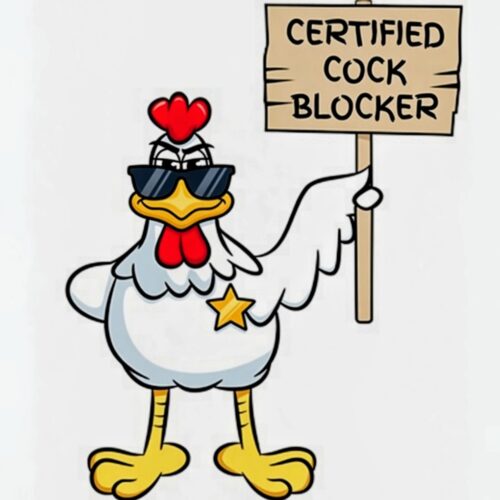
Don't be this guy, the real ones help each other up.
The Industry Cock Blocker
The industry cock blocker is a serious issue that has happened to me and many of my colleagues over the decades.
The term often used in professional contexts is “gatekeeper” or “career blocker.” This typically refers to an individual in a position of authority, most commonly a direct manager or supervisor; who systematically impedes an employee’s ideas, initiatives, professional growth, or opportunities to assume greater responsibility. Such behavior may include rejecting proposals without clear justification, redirecting credit, insisting on their preferred approach, micromanaging details, or withholding development opportunities.
This dynamic is unfortunately common in many workplaces and frequently stems from the gatekeeper’s own insecurities, fear of failure, need for control, or desire to protect their position, rather than intentional malice. The encouraging reality is that individuals facing this challenge retain more agency than it may initially appear. Below is a practical, step-by-step framework for addressing the situation effectively while safeguarding both your career trajectory and well-being.
1. Diagnose the Behavior and Assess Your Contribution
Before responding, seek objective clarity. Determine whether the obstruction is genuine or potentially attributable to miscommunication, organizational risk aversion, or overlooked feedback. Maintain a neutral record of specific instances, including dates, proposals submitted, responses received, and resulting impacts.
This documentation serves two purposes: it provides a factual basis should escalation become necessary, and it enables pattern recognition. Reflect on the following questions:
– Are proposals presented with sufficient preparation and alignment to business objectives?
– Is consistent, high-quality performance building the necessary trust?
– Might the resistance arise from the manager’s concerns about risk or failure?
Understanding the underlying drivers of the behavior diminishes its emotional impact and strengthens your position for productive engagement.
2. Manage Upward Proactively to Minimize Friction
Focus initial efforts on reducing the manager’s anxiety while preserving your own momentum:
– Provide structured, preemptive updates: Share concise summaries of completed work, upcoming steps, potential risks, and required support before being asked. This demonstrates reliability and reduces uncertainty that often fuels micromanagement.
– Clarify expectations upfront: In discussions, ask targeted questions such as “What does success look like for this initiative?” or “How would you prefer I approach this?” to establish clear boundaries and demonstrate alignment.
– Earn autonomy through consistent delivery: Execute flawlessly on lower-stakes tasks according to their preferences to build credibility over time.
– Position ideas as extensions of their objectives: Frame suggestions collaboratively, for example: “Building on your emphasis on efficiency, I propose testing this approach to enhance outcomes further.” This helps the manager see potential benefits to their own goals.
Proactive transparency frequently alleviates controlling tendencies without requiring excessive effort.
3. Initiate a Direct, Professional Conversation
Schedule a calm, one-on-one discussion. Employ “I” statements to maintain a non-accusatory tone:
– “I’ve observed that several of my suggestions in [specific area] have not progressed, and I would value your guidance on how to refine them so I can contribute more effectively.”
– “I am interested in taking on additional responsibility in [area]. What steps would be required to make that possible?”
Prioritize listening over speaking. The response will often indicate whether the issue is addressable (e.g., through additional data or adjustments) or more deeply rooted. If receptivity is shown, propose a low-risk trial period with a defined review date.
Should the reaction be defensive or dismissive, refrain from pressing further and instead focus on cultivating broader support.
4. Build Influence and Visibility Beyond the Gatekeeper
A single point of obstruction loses potency when value is recognized elsewhere:
– Cultivate alliances and sponsors: Develop relationships with peers, cross-functional colleagues, and higher-level leaders through joint initiatives. Sponsors; who actively advocate for you, carry more weight than traditional mentors.
– Increase visibility appropriately: Volunteer for high-profile tasks, contribute in wider forums, and ensure achievements are documented in shared channels where relevant.
– Develop talent and document processes: Share knowledge with junior team members and formalize procedures. This reduces dependency on the gatekeeper’s approval and highlights your broader contributions.
When credit is routinely redirected or access limited, allow results to speak through observable outcomes noticed by others.
5. Establish Boundaries and Safeguard Well-Being
– Prioritize battles strategically; not every resistance warrants confrontation.
– Sustain strong individual performance to avoid providing grounds for criticism.
– Protect personal energy through external development, side initiatives, or activities that reinforce competence and confidence.
If behavior escalates to outright sabotage; such as unjustified blocking of promotions or negative commentary; escalate judiciously to HR, skip-level leadership, or formal feedback mechanisms. Support all claims with factual documentation and emphasize organizational impact (e.g., “This is constraining team innovation and agility”) rather than personal grievances.
6. Recognize When to Transition
In some cases, the environment may prove persistently toxic or unresponsive. If targeted efforts yield no meaningful improvement over 6–12 months, consider updating your professional materials and exploring internal transfers or external opportunities. Many professionals experience significant advancement after departing a limiting situation, as skills and drive remain portable.
Prolonged exposure to such dynamics can impede long-term career momentum more than a well-timed move.
Navigating a gatekeeper demands patience, emotional discipline, and strategic foresight. Treat the experience as an opportunity to refine skills in managing challenging authority figures; a competency that benefits careers across contexts. Concentrate on controllable factors: the quality of your work, the strength of your relationships, and the resilience of your mindset. By positioning yourself as a consistent producer of results despite obstacles, you increase the likelihood that opportunities will emerge.
With thoughtful execution, progress remains achievable.
Pro Tip. Write everything down! Dates, times, events. Keep a running log on everything.