Why Mastering Mise en Place Is Non-Negotiable
In the heat of a busy dinner service, a single missing ingredient, a dull knife or a tool not in its place can turn a chef’s station into a war zone. That’s why the phrase “Chef’s kitchen survival relies on mastering mise en place” isn’t just kitchen wisdom; it’s a life line.
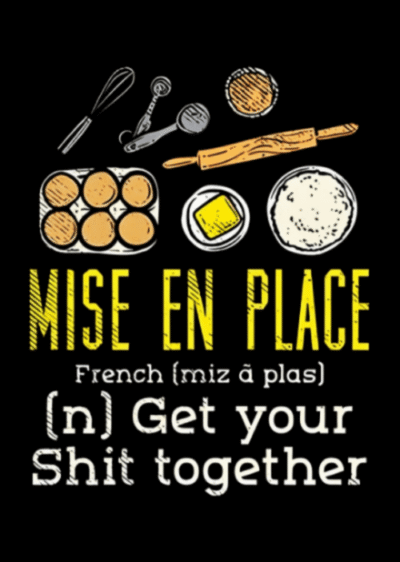
Mise en place (pronounced meez ahn plahs) is French for “putting in place” or “everything in its place.” It’s the disciplined practice of preparing, measuring, and organizing every single ingredient, tool, and piece of equipment before you light a single burner.
Professional chefs live and die by it. Home cooks who adopt it suddenly find themselves cooking faster, cleaner, and with far less stress.
What Mise en Place Actually Looks Like in Real Life
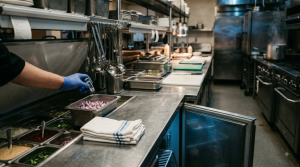
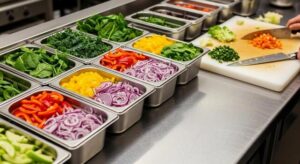
Imagine walking into a perfectly prepped station during a Friday night rush:
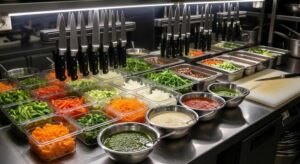
Every vegetable is washed, peeled, and sliced into exact specifications (brunoise, julienne, whatever the dish demands).
Proteins are portioned, seasoned, and resting on the reach-in shelf.
Sauces are in squeeze bottles or small ramekins, labeled and dated.
Knives, tongs, spoons, and towels are lined up like soldiers.
Trash bin, compost, and sani bucket are within arm’s reach.
The recipe is mentally rehearsed; or better yet, printed and laminated on the station. Nothing is “somewhere.” Everything has a home (everything in its place and a place for everything). When the first ticket hits the board, the chef doesn’t scramble. They execute.
Why Mise en Place Is Kitchen Survival 101
Speed Wins Service
A line cook without mise en place spends half the night hunting for ingredients. The cook who has it prepped is already plating while others are still chopping. In a professional kitchen, seconds matter. In a 300-cover night, those seconds add up to survival or burnout.
Stress Melts Away
The mental load of remembering “Did I mince the garlic yet?” disappears. Your brain is freed up for the creative, high-pressure decisions that actually matter; timing the sear, adjusting seasoning on the fly, or saving a sauce that’s breaking.
Consistency Becomes Automatic
Every dish comes out the same way, night after night. That’s how restaurants build loyal customers and how chefs protect their reputation. No more “I think I used two shallots last time…”
Safety First (No One Wants a Trip to the ER)
An organized station means fewer slips, fewer cross-contamination accidents, and fewer knives left dangerously out of place. Clean as you go is part of the mise en place religion for a reason.
Creativity Actually Flourishes
Paradoxically, the strict structure of mise en place gives you freedom. When everything is ready, you can taste, adjust, and improvise without panic.
“The best chefs aren’t the ones who wing it; they’re the ones who prepared so well they can afford to be artistic.”
How to Build a Mise en Place Habit (Whether You Run a 150-Cover Bistro or Just Your Home Kitchen)
Read the recipe like a general reads battle plans. Identify every single ingredient and tool you’ll need.
Prep everything before you start. Yes, even the garnish.
Use containers religiously. Small bowls, deli cups, hotel pans — whatever keeps things visible and accessible.
Label and date. Sharpie is your friend. “Garlic minced 4/6” beats “mystery white stuff” every time. Get dissolvable day dots here (it’s what I use) or use masking tape.
Clean as you go. A dirty station is the enemy of mise en place.
Create a station checklist. Many chefs tape one right on their station. It becomes muscle memory.
Start small. Pick one recipe this week and force yourself to do full mise en place. You’ll feel the difference immediately; and you’ll never go back.
The Bottom Line
Mise en place isn’t glamorous. It doesn’t get the Instagram likes. But it’s the silent discipline that lets chefs survive; and thrive in an environment designed to break them.
Whether you’re a line cook chasing your first Michelin star or a home cook tired of chaotic weeknight dinners, mastering mise en place is the single highest-ROI habit you can adopt.
It’s not just “getting ready.”
It’s how chefs win before the battle even begins.
What’s one thing you’re going to mise en place this week?
Bon appétit and stay sharp,
Ralph