
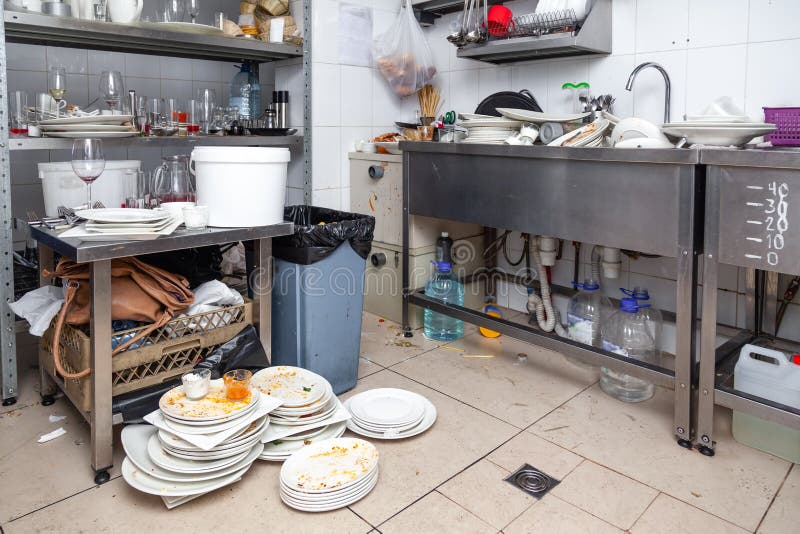
Short staff restaurants keep “winning”
They say Short staff restaurants keep “winning”. We’ve all been there, for whatever reason. Send just one team member home because your “margins” are screaming, LABOR IS THROUGH THE ROOF!
Short-staffed operations might look like an immediate victory on paper, but they often win at the direct expense of long-term guest loyalty and brand equity. In the competitive landscape of hospitality, running a lean schedule can easily be mistaken for peak efficiency, but the hidden costs eventually catch up to the bottom line.
In the short term, everyone in the building feels rewarded by an understaffed shift. Leadership sees a lower labor budget that improves immediate profitability and pleases stakeholders. General managers hit their operational bonuses by strictly limiting hours. Even front-of-house staff might welcome a larger section for the increased tip potential, rationalizing that they can handle the extra volume. On a spreadsheet, it looks highly intelligent: labor costs decrease, margins improve, and productivity metrics rise.
Inside the restaurant, however, the guest experience quietly erodes. A strained team simply cannot consistently maintain high operational standards, no matter how dedicated they are. High-level hospitality requires adequate floor coverage to maintain attentive, genuine service. Fast, accurate ticket times require proper station execution, which becomes compromised the moment one cook is forced to cover multiple major positions during a rush. Cleanliness and sanitation depend entirely on dedicated support staff like dishwashers and porters; when those roles are cut, the physical environment suffers. Servers cannot provide personalized care when they are consistently triple-sat and running on adrenaline, and management cannot focus on leadership, quality control, and team culture when they are forced to run food, bus tables, or wash dishes just to keep the doors open. Even the most skilled culinary and service teams cannot execute flawlessly when they are constantly operating in survival mode.
Eventually, the impact reaches the guest. While the drop-off might not happen on the first or second visit, the cumulative effect of longer wait times, slower service, cold food, and strained hospitality becomes undeniable. Guests begin to notice burned-out employees who are simply too exhausted to care, and the welcoming environment that built the brand’s reputation begins to slip away.
The core challenge of this operational model is that the labor savings are realized immediately on the daily P&L statement, whereas the loss of guest traffic occurs gradually over time. It is a lagging indicator. Guests rarely complain to a manager when a restaurant is visibly struggling; they simply slip away quietly, one subpar experience at a time, until declining sales become a sudden, confusing reality for the leadership team.
Successful long-term operators recognize that labor is not simply a line-item expense to be minimized at all costs; it is an essential asset and an investment that protects the integrity of the guest experience. A restaurant’s reputation takes years to build but can be dismantled in a matter of months by consecutive short-staffed shifts. While modern guests are increasingly understanding of rising menu prices due to economic inflation, they remain far less forgiving of a breakdown in basic service, execution, and hospitality. Protecting the front lines with adequate staffing is the only sustainable way to protect the brand’s future.
Line Cook Hack: The “Ghost Rail” Trick
Receiving Inspection: 8 Checks That Prevent 80% of Problems
Cooks Corner recipe dump and networking in Discord. Join us and contribute. Cook’s Corner Chat and recipe dump on Discord.