
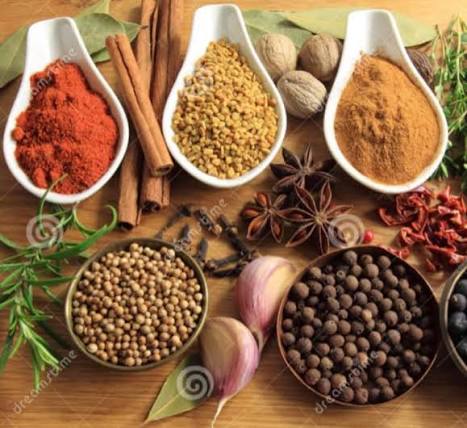
Aromatics and Flavor Layering
Aromatics and Flavor Layering
In depth explanation of the concept:
Aromatics are the foundational building blocks of flavor in nearly every cuisine. They are ingredients primarily vegetables, herbs, and sometimes spices that are gently cooked in fat oil or butter at the beginning of a recipe. This initial step releases volatile aromatic compounds essential oils and flavors that infuse the entire dish. Common examples include onion, shallot, garlic, ginger, leek, celery, carrot, chili peppers, scallions, and herbs like thyme, bay leaf, or parsley stems.
The key principle is that aromatics are not just tossed in at the start and forgotten. They form the first layer of flavor development and actively control how subsequent flavors evolve over time. By sautéing or sweating them properly, you extract sweetness from natural sugars, develop depth through gentle caramelization or Maillard reactions, and create a fragrant base that carries through the entire cooking process.
Flavor layering builds upon this aromatic foundation in deliberate stages. Think of it as constructing a house. The aromatics are the concrete foundation. Then you add successive layers such as proteins, spices, acids, umami-rich ingredients, liquids for braising or sauce building, and finishing elements like fresh herbs or bright acids. Each layer adds complexity, balance, and dimension rather than a flat one-note taste.
Why this matters in professional and home cooking:
1. Foundation building. Starting with aromatics in hot fat allows the fat to act as a flavor carrier. Fat solubilizes and distributes the aromatic compounds evenly, creating a more cohesive and profound taste than simply adding raw ingredients later.
2. Depth and complexity. Proper layering prevents flavors from competing or tasting disjointed. For instance, in the image the stew likely began with sautéed aromatics that then supported the meatballs, carrots, and herbs. The result is a harmonious dish where no single element dominates but everything sings together.
3. Cultural foundations. Different cuisines have signature aromatic bases that define their identity:
– French mirepoix onion, carrot, celery
– Italian soffritto onion, carrot, celery often in olive oil with garlic
– Spanish or Latin sofrito onion, garlic, tomato, bell pepper
– Cajun or Creole holy trinity onion, celery, bell pepper
– Chinese ginger, garlic, scallion
– Indian ginger, garlic, onion with whole spices bloomed in oil or ghee
These bases set the regional character before any other ingredients are added.
4. Technique over spectacle. Mastering aromatics and layering rewards disciplined execution mise en place, controlled heat to avoid burning delicate compounds, and patience to allow flavors to meld. It aligns with honest cooking fundamentals clean station work, respect for ingredients, and building real depth without relying on gimmicks or excessive seasoning at the end.
5. Practical application in 2026 trends. This concept resonates strongly with current industry directions. It supports comfort foods with global or nuanced twists by allowing subtle fermented elements, live vinegars, or adaptogens to be layered thoughtfully. It enables value-driven menus through smarter use of affordable aromatics to elevate simple proteins and vegetables. It promotes transparency and cleaner recipes by focusing on real ingredient transformations rather than additives. In live-fire or primal cooking, aromatics can be built over open flame for added smoke and char notes. For fermentation and preservation, preserved aromatics or ferments can be incorporated at different layering stages for gut-friendly depth.
In the context of dishes like beef stroganoff, sauce au poivre, or the all-American stables we discussed earlier, aromatics form the critical first step. Sautéing onions, shallots, garlic, and mushrooms creates the savory backbone before deglazing, adding stock, or finishing with cream or sour cream. Skipping or rushing this layer results in flat, one-dimensional food. Doing it right transforms good into restaurant-quality.
The post from theculinaryrepost likely continues in the caption or carousel with more detailed explanations, examples, or Volume 1 specifics on how to execute these foundations. It emphasizes that aromatics are dynamic they bloom, sweat, caramelize, or infuse depending on heat, time, and fat used. This controlled development is what separates home cooking from professional results.
For line cooks and operators, this is station ownership in action. A well-organized mise en place of prepped aromatics lets you build flavor layers efficiently under pressure, pivot between dishes, and deliver consistent, honest value that keeps guests returning.
Flavor Layering Techniques
Flavor layering is the deliberate process of building depth, complexity, and balance in a dish by adding ingredients and seasonings at strategic stages throughout cooking rather than all at once or only at the end. It transforms simple ingredients into something harmonious and memorable. This technique starts with a strong foundation and adds successive layers that interact with each other creating sweetness bitterness saltiness acidity umami heat and aroma that evolve together.
At its core flavor layering relies heavily on aromatics the vegetables herbs and spices cooked early in fat to release volatile compounds that form the flavor base. Aromatics are not just tossed in they actively shape how every subsequent ingredient tastes and develops over time.
Core Principles of Flavor Layering
1. Start with Fat as the Carrier
Fat is the first layer. Heat oil butter tallow or rendered animal fat in the pan. Fat dissolves and carries fat-soluble aromatic compounds evenly distributing flavor throughout the dish. Different fats add their own character olive oil for Mediterranean dishes butter for richness or neutral oil for clean building.
2. Build the Aromatic Base
This is the foundation. Gently cook aromatics in the hot fat to sweat soften or lightly caramelize them. Common techniques include sweating for translucent sweetness or sautéing for deeper golden notes. Key aromatics include onion shallot garlic ginger leek celery carrot scallion chili and hardy herbs like thyme bay leaf or rosemary stems. The goal is to release essential oils and natural sugars without burning which would introduce bitterness.
Signature aromatic bases from global cuisines set the identity of the dish
– French mirepoix onion carrot celery in 2 1 1 ratio
– Italian soffritto onion carrot celery often with garlic
– Spanish or Latin sofrito onion garlic tomato bell pepper
– Cajun holy trinity onion celery bell pepper
– Chinese ginger garlic scallion
– Indian ginger garlic onion with whole spices bloomed first
Layering aromatics means adding them at different times. Heartier ones like onion and carrot go first followed by quicker cooking items like garlic to prevent bitterness.
3. Develop Fond and Browning
As you cook proteins or vegetables in the aromatic base you create fond the browned bits on the bottom of the pan. These are concentrated flavors from Maillard reactions. Deglazing with liquid wine stock vinegar or even water lifts the fond incorporating it into the sauce or braising liquid adding roasted savory depth.
4. Add Spices and Bloom Them
Bloom whole or ground spices in the fat with or right after aromatics. Heat wakes up their essential oils dramatically increasing aroma and flavor. Examples include toasting cumin coriander or mustard seeds or blooming turmeric paprika or chili flakes. This step creates a warm fragrant backbone.
5. Introduce Proteins and Main Ingredients
Sear or brown proteins in the built base to develop their own Maillard flavors. This adds umami and texture. Then incorporate vegetables starches or other components at the right moment based on cooking time so everything finishes together perfectly.
6. Layer Liquids Acids and Umami
Add stocks broths wine coconut milk or other liquids gradually. Each brings its own character and helps meld previous layers. Acids like vinegar lemon juice or fermented elements brighten and balance richness cutting through fat. Umami boosters such as Worcestershire soy sauce miso anchovy or tomato paste deepen savoriness.
7. Finish with Fresh Bright Elements
Near the end or off heat add tender herbs citrus zest fresh chili or crunchy textures. These provide contrast and lift preventing the dish from tasting heavy or muddled. Final seasoning adjustments with salt pepper or more acid ensure perfect balance.
Practical Techniques for Success
– Mise en place prepare and organize all ingredients before starting. This allows precise timing for each layer.
– Control heat low and slow for aromatics to extract maximum flavor without scorching. Higher heat for searing proteins.
– Taste and adjust at every stage season early and often in small increments. Salt draws out moisture and flavors while building layers.
– Consider texture alongside flavor creamy chewy crunchy bitter sweet elements create excitement on the palate.
– Use fermentation and preservation for modern depth add live vinegars preserved aromatics or ferments at appropriate layers for gut friendly complexity and nuanced spice.
Application to Everyday Cooking and 2026 Trends
In dishes like beef stroganoff start by sautéing onions mushrooms and garlic in butter to build the aromatic base then deglaze with brandy or wine add stock and finish with sour cream. The same principle applies to sauce au poivre where shallots and peppercorns bloom before deglazing and reducing with cream.
These techniques reward station ownership clean execution and respect for ingredients. A tight organized station lets line cooks pivot quickly between building layers for different dishes without chaos. In 2026 this approach supports comfort foods with global twists value driven honest execution sustainability through smarter use of ingredients and functional wellness via thoughtful incorporation of adaptogens ferments or fiber rich elements. It emphasizes technique over spectacle shorter menus and genuine hospitality.
Flavor layering turns good food into exceptional food by creating synergy where the whole is far greater than the sum of its parts. Mastering it elevates home cooking diner classics and restaurant menus alike delivering consistent memorable results that keep guests coming back.
Global Aromatic Bases Examples
Aromatic bases are the foundational flavor-building blocks used at the start of cooking in cuisines around the world. They consist of vegetables herbs spices or alliums gently cooked in fat oil butter or ghee to release essential oils sugars and volatile compounds. This creates a deep savory backbone that carries through the entire dish supporting proteins vegetables liquids and seasonings. Mastering these bases is key to authentic flavor layering technique and honest execution aligning perfectly with 2026 trends in comfort foods global twists nuanced spice and cleaner ingredient-driven cooking.
Here are prominent examples from major cuisines
French Mirepoix
Classic ratio two parts onion one part carrot one part celery often by weight or volume. Sweated gently in butter or oil until soft and translucent sometimes with added herbs like thyme bay leaf or parsley. Forms the base for stocks soups sauces stews braises and mother sauces. Provides sweet earthy depth without dominating. Often used in beef stroganoff variations or sauce au poivre builds.
Italian Soffritto
Similar to mirepoix but frequently includes garlic parsley and sometimes fennel or cured meat scraps. Vegetables are diced finer and cooked longer in olive oil until nearly melting or lightly caramelized. Creates rich umami-packed foundation for ragus sauces soups and braises. Emphasizes patience and slow development of sweetness.
Spanish Latin American Sofrito
Onion garlic bell peppers tomatoes often with paprika cumin or cilantro. Cooked in olive oil until the mixture becomes a fragrant concentrated paste. Variations exist across Puerto Rico Cuba and other regions sometimes including annatto or ham. Essential for rice dishes beans stews and paella. Brings bright acidity and color from tomatoes and peppers.
Cajun Creole Holy Trinity
Onion celery green bell pepper in roughly equal parts. Sautéed in oil or rendered fat until soft and aromatic. The backbone of gumbo jambalaya étouffée and dirty rice. Replaces carrots with bell pepper for a distinct vegetal sweetness and slight bitterness that defines Louisiana flavor.
Chinese Ginger Garlic Scallion Base
Fresh ginger garlic and scallions green onions often with chili or black pepper. Stir-fried quickly in neutral oil or sesame oil at the beginning of stir-fries soups or braises. Sometimes bloomed with whole spices like star anise or five-spice powder. Delivers bright pungent aromatic punch that cuts through richness.
Indian Ginger Garlic Onion Base with Spices
Onion ginger garlic paste or chopped often started in ghee or oil. Whole spices such as cumin seeds coriander turmeric cardamom or curry leaves are bloomed first or added early. Forms the tadka or base for countless curries dals and gravies. Creates warm layered earthy and aromatic complexity that builds with additional spices.
Thai Aromatics
Garlic shallots galangal or ginger lemongrass kaffir lime leaves Thai chilies and shrimp paste. Often pounded into a paste or sautéed. Provides bright citrusy herbal spicy and funky notes foundational to curries soups and stir-fries. Layers fresh herbs like cilantro basil or mint near the end for contrast.
Middle Eastern Onion Garlic with Warm Spices
Onion garlic sometimes tomato or shallot cooked in olive oil. Enhanced with cumin coriander turmeric cinnamon or sumac. Builds savory sweet depth for tagines rice pilafs and stews. Often includes fresh herbs like parsley mint or cilantro for finishing brightness.
Korean Scallion Garlic Ginger
Scallions garlic ginger frequently with gochujang doenjang or sesame. Quick stir-fry or used in marinades and braises. Delivers pungent savory and slightly sweet notes balanced by fermented elements.
Vietnamese Shallot Garlic Lemongrass
Shallots garlic lemongrass fish sauce or shrimp paste. Forms the aromatic start for pho grilled meats and stir-fries. Bright herbal and subtly funky foundation.
Practical Application and Technique
Begin by heating fat in the pan then add the heartiest aromatics first allowing them to sweat or caramelize before introducing quicker-cooking items like garlic to avoid bitterness. Control heat low and slow for depth or higher for blooming spices. This mise en place approach rewards clean station work and allows seamless pivots in a busy kitchen.
In 2026 these global bases support comfort with twists by blending elements for example adding fermented notes or live vinegars to a classic mirepoix or incorporating adaptogens into an Indian base. They enable value-driven honest execution using affordable local produce to elevate simple dishes while promoting transparency and sustainability. For recipes like beef stroganoff start with onion mushroom shallot as a hybrid aromatic layer then deglaze and build sauce. In all-American stables or chicken and dumplings the aromatic foundation determines whether the final dish feels rich and cohesive or flat.
These examples show how a few humble ingredients when layered thoughtfully create signature regional character and profound flavor without spectacle. They embody technique over gimmicks and respect for ingredients the fundamentals that shine under pressure.
The Gourmet Collection Spice Blends
Here’s some good dry spices for home use, that I use
Roasted Garlic, Rosemary & Sea Salt Blend
15 Minutes Early: The Only Way to Be ‘On Time’ in Restaurants
Why We Season Food: The Honest Truth About Salt, Pepper & Everything Else


1 thought on “Aromatics and Flavor Layering”